Behind the science

At Subra, we believe in the power of science to shape a better future. Our technologies are based on decades of scientific research – designed for sustainable impact.

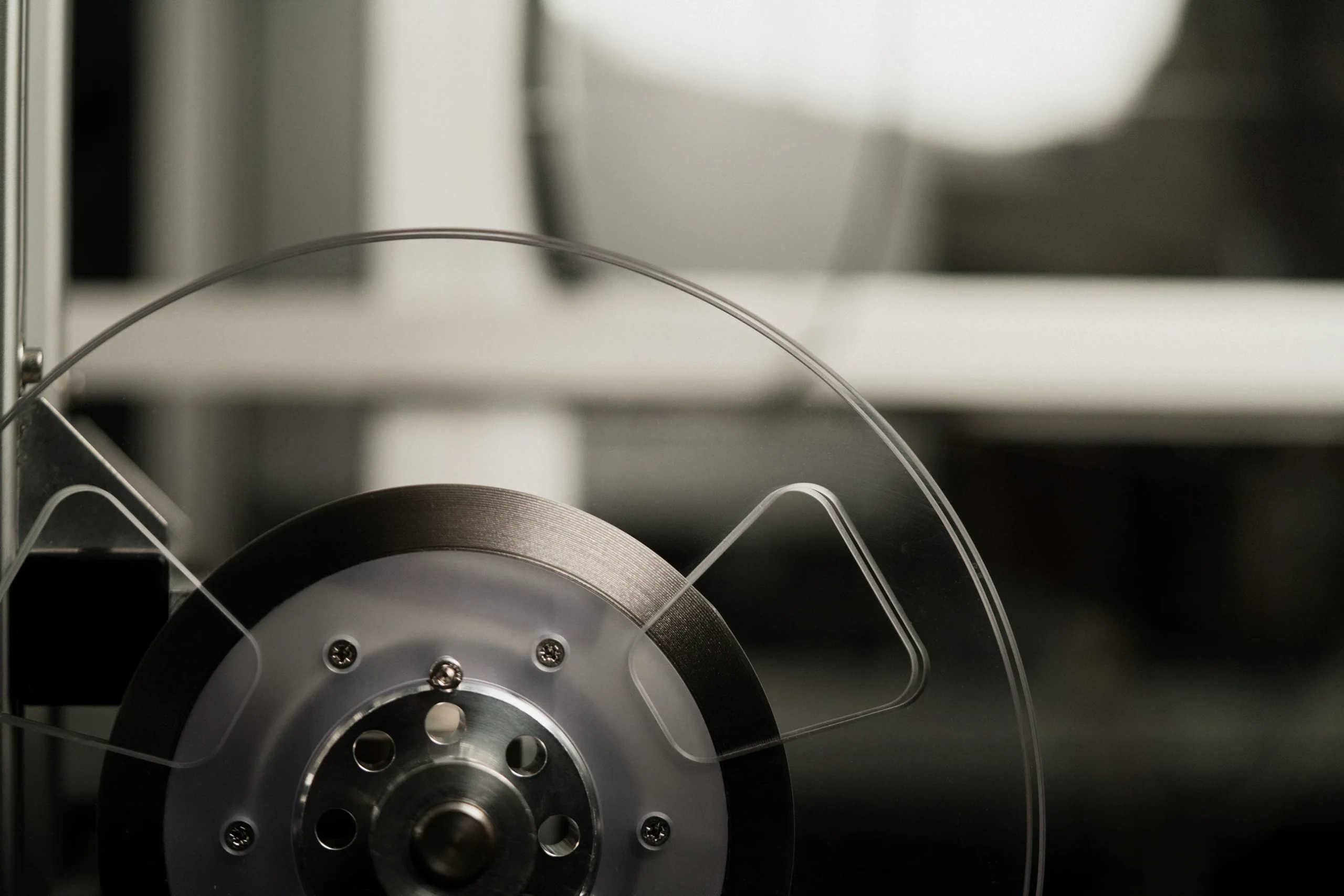
High-performance superconductor flat tape on reel for electrical applications

What is a superconductor?  

A superconductor is an electrical conductor – tape, wire, or cable – which conducts direct electrical current with zero resistance when cooled. Because of this, it can transport vast amounts of electrical power, up to 300 times more compared to copper used in conventional cables, and with no energy losses in the conductor.

0

Energy loss

-196°C

Temperature

300x

More power

0 Ω

Electrical Resistance

The physics behind

Superconductivity is a physical phenomenon where certain materials exhibit zero electrical resistance and expel magnetic fields when cooled below a critical temperature.

When an electric current flows, in conducting materials (like copper or aluminium), electrons collide with atoms, impurities, and other electrons. This causes resistance, which dissipates energy as heat.

Superconductors behave differently at sufficiently low temperatures. They transition into the superconducting state, where the electrons pair up two-by-two. When this happens, they no longer experience collisions, and the electrical resistance suddenly drops to zero.

In this state, an electric current can flow through the material indefinitely without losing energy as heat. Energy losses during transmission in conventional copper cables prevents effective long-distance transmission.

A conventional copper cable vs. subra superconducter with no resistance.

Superconductivity Through the Years

Superconductor technology was discovered in 1911, and has evolved ever since with the development of low-temperature superconductors in the 1960’s and high-temperature superconductors in the 1980’s.